If you’re in the packaging, automotive part, or consumer goods space, you’ve probably heard that PET injection molding machines are the go-to for churning out lightweight, durable plastic parts fast. As a supplier who’s worked directly with fabricators and small-batch producers for over a decade, I’ve seen a lot of people jump into PET molding without fully grasping the pain points that come with this equipment. Yeah, it’s a workhorse for high-volume jobs, but it’s not without its flaws—and skipping over these could turn your production line into a money pit real fast. Let’s break down the real, day-to-day disadvantages I’ve seen clients struggle with, no industry fluff or biased sales talk here. PET Injection Molding Machine

First off, PET is a weird plastic to work with, way finickier than something like ABS or polypropylene, and the machine’s setup has to be perfect 100% of the time. The biggest headache I see people run into is pre-drying requirements. PET is hygroscopic—meaning it sucks moisture out of the air like a sponge. If you don’t dry the PET pellets just right before feeding them into the hopper, you’re going to get molded parts with weird flaws: silvery streaks, bubbles, or even brittleness that makes the parts crack after a month. A lot of new operators skip this step or use a cheap, undersized dryer to save a few bucks, but that’s a recipe for waste. I once had a client who used a 50-pound dryer on a job that needed 200 pounds of PET a day—they were scrapping 25% of their parts in the first two weeks. The worst part? That dryer cost them less than $2k, but the scrapped parts cost them over $15k in lost material and downtime in a month. It’s not just the machine itself, it’s the supporting gear it needs to run properly, and cutting corners there hits hard.
Then there’s the process control nightmare with PET. Unlike other plastics, PET has a narrow processing window for temperature and pressure. If the melt temp is even 10°F too high, you get thermal degradation—think yellowed parts, reduced impact strength, and even off-gassing that can mess with your machine’s sensors. Too low, and the PET won’t flow evenly into the mold cavities, leading to short shots (incomplete parts) or uneven wall thickness. A lot of older PET machines don’t have the precise closed-loop temperature control that newer resin types demand, so operators have to tweak settings constantly just to keep parts consistent. I’ve had clients with 10-year-old PET machines who spend an hour every morning adjusting barrel temperatures and injection pressure, instead of actually running production. That’s a huge waste of labor and slows down output big time. Even with newer machines, if your mold isn’t calibrated for PET specifically, you’ll still get inconsistency—PET shrinks more than most common plastics, too, so you have to account for that in the mold design, or parts will be the wrong size. I’ve seen a client use an existing PP mold for PET, and every part was 15% smaller than it should have been—took them two weeks to rework the mold, and they lost a big client because of the delay.
Next up, material waste is way higher with PET injection molding than a lot of people expect. First, that pre-drying step I mentioned earlier? If you over-dry the PET, it becomes brittle and unprocessable—another load of scrapped material. Then there’s the sprue and runners: the leftover plastic that’s left in the machine’s nozzle and mold after each cycle. With other plastics, you can grind that up and reuse it, but PET’s properties change when you reprocess it—each regrind cycle reduces its molecular weight, making parts weaker. Most processors can only reuse 10-20% regrind in new PET material, so that leftover plastic is either wasted or you have to pay to get rid of it (or pay for clean regrind from a third party, which adds cost). I had a client who was running 1 million PET bottle preforms a month, and they were throwing away 8 tons of sprue and runners every quarter—That added up to almost $20k a month in wasted material. Even worse, if you don’t grind the sprue properly, it can jam in the hopper or contaminate virgin pellets, leading to more scrapped parts.
Downtime is another huge con, especially if you’re running high-volume jobs. PET machines require way more maintenance than other common molding machines to keep them running. The screw and barrel wear down faster with PET because of its high viscosity when melted—PET’s molecules are rigid, so they cause more abrasion on the metal parts over time. If you don’t lubricate or replace the screw and barrel on schedule, you’ll get inconsistent melt quality, which leads to more short shots or scrapped parts. And replacing a screw and barrel for a PET machine? It’s not cheap—we’re talking $5k to $15k, depending on the machine size. Then there’s the mold cooling: PET parts need to cool slower and more evenly than other plastics to avoid warping. If your cooling system isn’t sized right or you’re using old water lines, parts will warp as they cool, so you have to let them sit longer before ejecting, which slows down cycle times. One client of mine was waiting 30 seconds per cycle for PET parts to cool, compared to 12 seconds for PP parts on the same machine—their output was cut by 60% just because of cooling time. And when something does break? PET machines are specialized, so parts take longer to source than generic molding machine parts. A client had a broken hydraulic valve on their PET machine, and the replacement took 10 days to arrive—they lost $40k in production revenue during that downtime.
Let’s not forget about energy costs. PET needs high temperatures to melt and process, and the drying step uses a ton of electricity too. A medium-sized PET injection molding machine uses about 15-20 kW of power per hour, which is way more than a similar PP machine, which uses around 10-12 kW. Multiply that by 8 hours a day, 5 days a week, and you’re looking at an extra $300-$500 a month in energy bills for just the machine, not including the dryer. I had a small client with two PET machines who thought they’d save money switching to PET, but their energy bill doubled in the first month. They didn’t factor in that PET requires more heat and the continuous drying process uses way more power than they were used to with their old PVC machine.
There’s also the issue of part design constraints that come with PET. Because it’s a stiffer, less flowy plastic than others, you can’t make parts with super thin walls or complex geometries without issues. Thin walls cause short shots, since the PET can’t flow all the way into the cavity before it starts cooling. Complex molds with lots of small details or deep draws can lead to voids or uneven filling, which means more design tweaks or scrapped parts. A lot of new product designers want to use PET for a lightweight, clear part, but they don’t realize they have to simplify the mold or adjust wall thickness to make it work. I had a client who designed a custom PET phone case with 0.8mm walls—every first run had 40% short shots because the PET couldn’t flow through that thin a cavity. They had to rework the design to 1.2mm walls, which added material cost per part, and they lost their first prototype client waiting for the reworked parts.
Oh, and let’s talk about operator training. Running a PET injection molding machine isn’t something you can learn in a day, unlike some smaller, simpler molding equipment. You need someone who knows how to adjust drying temps, melt temps, injection pressure, cooling time, and how to spot early signs of degradation or mold wear. A bad operator can tank production, waste material, and break the machine faster. I’ve had clients hire a general molding operator who worked on ABS machines, and after a week, they scrapped 300 parts because they didn’t account for PET’s narrow processing window. Training a dedicated operator for a PET machine adds another $1k-$2k in onboarding costs, plus you have to pay them more because it’s a specialized skill.
Now, I’m not saying PET injection molding machines are bad—they’re perfect for the right jobs, like food-grade packaging (bottles, containers), medical parts that need to be clear and lightweight, or automotive components that need durability. But they’re not a one-size-fits-all solution, and the disadvantages I’ve laid out are real pain points that a lot of first-time buyers don’t see coming. If you’re considering adding a PET machine to your line, you need to plan for the extra drying gear, precise process control, higher maintenance, and higher material waste upfront. Skip that planning, and you’ll end up with a machine that’s sitting idle half the time or bleeding money on waste and downtime.
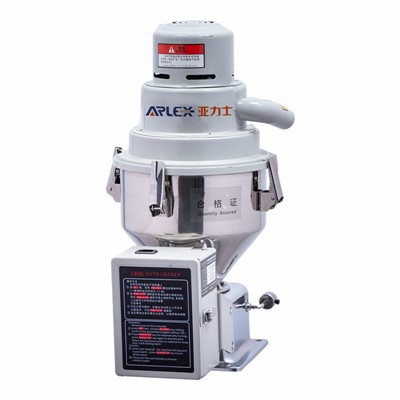
If you’re ready to talk through your specific production needs, figure out if a PET machine makes sense for your line, or want to learn how to mitigate some of these pain points (like using high-quality dryers or regrind systems), feel free to reach out. We’ve helped dozens of clients optimize their PET molding processes to cut waste and boost output, so we can walk through what would work for you.
Temperature Control Unit References
- Rosato, D. V., & Rosato, M. G. (2012). Injection Molding Handbook (5th ed.). Hanser Publications.
- International Organization for Standardization. (2018). Plastics – Polyethylene Terephthalate (PET) Molding and Extrusion Materials – Designation System and Basis for Specifications (ISO 16228:2018). ISO.
- Harper, C. A. (2016). Modern Plastics Handbook (2nd ed.). McGraw-Hill Education.
Ningbo Yalishi (Arlex) Plastic Machinery Co., Ltd.
Address: No.63, Huangsu East Road, Industrial Zone, Dongqian Lake Tourist Resort, Ningbo, Zhejiang Province
E-mail: leo@arlex.cn
WebSite: https://www.arleximm.com/
