Humidity is an environmental factor that can significantly affect the performance and lifespan of hydraulic power supplies. As a supplier of hydraulic power supplies, I’ve encountered numerous questions regarding the humidity tolerance of our products. In this blog, I’ll delve into the concept of humidity tolerance in hydraulic power supplies, explain why it matters, and share insights on how to manage humidity to ensure optimal operation. Hydraulic Power Supply

Understanding Humidity and Its Effects on Hydraulic Power Supplies
Humidity refers to the amount of water vapor present in the air. It is commonly expressed in terms of relative humidity (RH), which is the ratio of the current amount of water vapor in the air to the maximum amount the air could hold at that temperature, expressed as a percentage. High humidity means the air contains a large amount of water vapor, while low humidity indicates a relatively dry environment.
For hydraulic power supplies, humidity can have several detrimental effects:
- Corrosion: When the air is humid, metal components in hydraulic power supplies are at a higher risk of corrosion. Water molecules in the air can react with metal surfaces, leading to rust and pitting. This corrosion can weaken structural integrity, cause leaks in hydraulic cylinders and pipes, and ultimately reduce the efficiency and reliability of the system.
- Contamination of Hydraulic Fluid: Humidity can introduce water into the hydraulic fluid. Even a small amount of water can significantly degrade the performance of the fluid. Water can cause oxidation of the fluid, leading to the formation of acids and sludge. These contaminants can clog filters, wear out pumps and valves, and reduce the lubrication properties of the fluid, increasing friction and heat generation in the system.
- Electrical Malfunctions: Hydraulic power supplies often have electrical components such as motors, controllers, and sensors. High humidity can cause condensation on these components, leading to short – circuits, electrical failures, and inaccurate sensor readings. This can disrupt the normal operation of the hydraulic power supply and potentially cause system shutdowns.
What is the Humidity Tolerance of a Hydraulic Power Supply?
The humidity tolerance of a hydraulic power supply refers to the range of relative humidity levels within which the power supply can operate safely and effectively without significant performance degradation or damage.
Most standard hydraulic power supplies are designed to operate within a relative humidity range of 10% – 90% non – condensing. This means that as long as the relative humidity stays between 10% and 90%, and there is no condensation forming on the components of the power supply, the system should function properly. However, the ideal humidity range for optimal performance is typically between 30% – 60%.
In a very dry environment (low humidity, below 10%), the hydraulic fluid can become more viscous, which can increase the load on the pump and reduce the overall efficiency of the system. Additionally, static electricity is more likely to build up in dry air, which can damage sensitive electronic components.
On the other hand, in a very humid environment (above 90% RH), the risk of corrosion, fluid contamination, and electrical malfunctions increases significantly. Condensation can form on the surfaces of the power supply when the temperature changes, especially if the power supply is cooled rapidly. This condensation can lead to immediate and long – term damage to the system.
Factors Affecting Humidity Tolerance
The humidity tolerance of a hydraulic power supply can be influenced by several factors:
- Component Materials: The choice of materials used in the construction of the hydraulic power supply plays a crucial role in its humidity tolerance. For example, power supplies with components made of corrosion – resistant materials such as stainless steel or coated metals can withstand higher humidity levels without significant corrosion. Similarly, electrical components with proper insulation and moisture – resistant coatings are less likely to be affected by humidity.
- Sealing and Enclosure Design: A well – sealed hydraulic power supply can prevent moisture from entering the system. Enclosures with gaskets, seals, and proper ventilation can help maintain a stable internal environment and reduce the impact of external humidity. Additionally, enclosures can provide protection against dust and other contaminants that may interact with moisture to cause damage.
- Fluid Quality and Maintenance: The quality of the hydraulic fluid and regular maintenance practices can also affect humidity tolerance. High – quality hydraulic fluids with anti – oxidation and anti – corrosion additives can better resist the effects of water contamination. Regular fluid analysis and replacement can help ensure that the fluid remains in good condition even in a humid environment.
Managing Humidity to Ensure Hydraulic Power Supply Performance
As a supplier, we understand the importance of helping our customers manage humidity effectively to protect their hydraulic power supplies. Here are some practical tips:
- Environmental Control: Install the hydraulic power supply in a controlled environment. This can include using air conditioning or dehumidifiers to maintain the relative humidity within the recommended range. In some industrial settings, climate – controlled rooms or enclosures can be used to create a stable environment for the power supply.
- Proper Ventilation: Adequate ventilation is essential to prevent the buildup of moisture and heat. Ensure that the power supply has proper air intake and exhaust vents, and keep the surrounding area free of obstructions. This helps to dissipate heat and moisture and reduces the risk of condensation.
- Regular Inspections and Maintenance: Conduct regular inspections of the hydraulic power supply to check for signs of corrosion, fluid contamination, and electrical issues. Replace any damaged components promptly. Perform regular fluid analysis to monitor the water content and other properties of the hydraulic fluid. Based on the analysis results, take appropriate measures such as fluid replacement or adding additives.
- Use Moisture – Resistant Coatings and Seals: Consider using moisture – resistant coatings on metal components and ensuring that all seals are intact and in good condition. This can provide an additional layer of protection against moisture and corrosion.
Why Choose Our Hydraulic Power Supplies
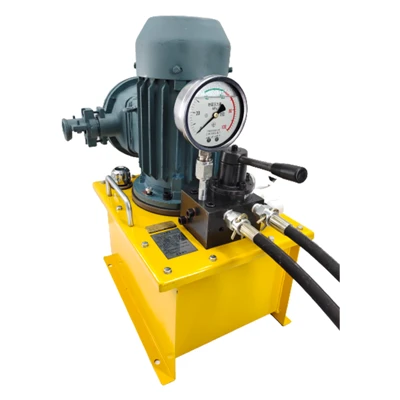
At our company, we are committed to providing high – quality hydraulic power supplies with excellent humidity tolerance. Our products are designed with the following features:
- Quality Materials: We use high – grade corrosion – resistant materials in the construction of our hydraulic power supplies. Stainless steel components are used in areas prone to corrosion, and our electrical components are equipped with moisture – resistant coatings.
- Advanced Sealing Technology: Our power supplies are equipped with advanced sealing systems to prevent moisture from entering the internal components. This helps to maintain the integrity of the hydraulic fluid and the electrical system.
- Rigorous Testing: All our products undergo rigorous testing in simulated high – humidity environments to ensure that they can perform reliably under challenging conditions. We guarantee that our hydraulic power supplies meet or exceed the industry standards for humidity tolerance.
Strand Puller If you are in the market for a reliable hydraulic power supply, we invite you to reach out to us for more information. Our team of experts is ready to assist you in selecting the right product for your specific needs and provide professional advice on humidity management and system maintenance.
References
- "Hydraulic Systems and Components Handbook", Elsevier
- "Environmental Factors Affecting Industrial Equipment Performance", Springer
- "Best Practices for Hydraulic Fluid Management", American Society of Mechanical Engineers (ASME)
Changzhou Truyou Mining Equipment Co., Ltd.
As one of the most professional hydraulic power supply manufacturers and suppliers in China, we have world-leading production equipment and strong manufacturing capabilities. Please rest assured to buy advanced hydraulic power supply made in China here from our factory. Customized orders are welcome.
Address: No. 186 Hongxi Road, Niutang Town, Wujin District, Changzhou City, Jiangsu Province
E-mail: info@truyoucoalmining.com
WebSite: https://www.truyoucoalmining.com/
