Hey there, if you’ve ever walked the floor of a electronics assembly, medical device packaging, or automotive component shop, you’ve probably seen reel and tape packaging machines humming away—snapping, taping, and feeding tiny parts into reels for shipment. But here’s the question that comes up every time someone upgrades their line: can this workhorse actually play nice with other production line gear? Spoiler alert: yeah, it can. And honestly, if your reel and tape machine’s not integrated, you’re leaving efficiency on the table. Let me break this down like I would to a regular on the floor, no stuffy jargon. Reel and Tape Packaging Machine
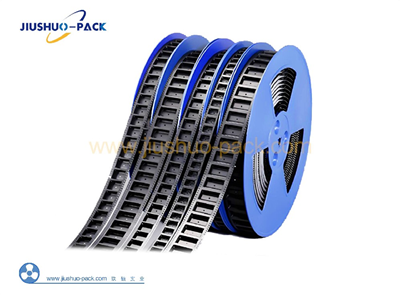
First, let’s get on the same page: what “integration” actually means here. It’s not just hooking two machines up with a cord and calling it a day. It’s syncing their operations so one doesn’t clog the other, no manual data entry, no waiting around for parts to move between steps. Think: your surface-mount tech (SMT) pick-and-place machine spitting out fully packed reels straight into a shipping box, or your component tester sending a “good part” signal to your reel and tape machine to stop a bad batch before it even gets wrapped. That’s the good stuff.
I hear a lot of folks push back—“our reel and tape machine is standalone, we can’t just rework it” or “other equipment’s too old to sync.” Let’s start with the big one: how we actually integrate these machines, because it’s not rocket science. The biggest hurdle is communication. Old production gear often uses weird proprietary protocols, but modern reel and tape machines (the ones we build, anyway) use standard Industrial Ethernet, Modbus, or even basic I/O signals that work with 90% of line equipment. Let’s say you have a reflow oven that checks if a resistor passes thermal testing. That oven can send a digital “OK” signal to the reel and tape machine, which skips that part entirely if it failed. No more wasting tape, no more hand-sorting bad parts. It’s automatic.
Then there’s material handling equipment—conveyors, robots, even AGVs (autonomous guided vehicles). A lot of people don’t realize reel and tape machines can connect directly to robotic arms that load empty reels into the machine, or pick up full, packed reels and drop them into a storage rack. We’ve done this for a medical device client last year: their line runs 24/7 with tiny pacemaker leads. Before, an operator had to stop the reel and tape machine every 20 minutes to swap an empty reel. Now, a robot grabs an empty reel from a nearby bin, loads it in, and the machine doesn’t skip a beat. Their downtime dropped by 40%—no exaggeration. That’s the magic of integration, right?
Wait, but what about super old lines? Like, lines from the early 2000s that don’t have Ethernet ports? You don’t need to scrap everything. We can add a retrofitted interface box that translates old signals to modern ones. One of our clients had a 15-year-old SMT line that still used serial RS-232 connections. We installed a small converter between the pick-and-place machine and our reel and tape machine, and now they sync seamlessly. They didn’t have to replace their whole line—just the bridge between two machines. Way cheaper, way faster.
Now, let’s talk real-world pain points integration fixes. I’ve seen so many lines where the reel and tape machine is a bottleneck. Why? Because someone’s running parts through a pick-and-place, storing them in a bin, then an operator walks them over to the reel and tape machine, scans a barcode, and hits start. That’s wasted time—operators can do other stuff, parts can get lost, data entry errors happen. Integration eliminates that. The pick-and-place machine tells the reel and tape machine exactly what part to run, how many, and even the correct reel size. No barcode scanning mistakes, no manual logging. That’s not just a “nice-to-have”—that cuts labor costs and reduces errors by like 90%.
But wait, is there a catch? Let’s be honest. It’s not all sunshine. The biggest one is compatibility. You can’t hook any reel and tape machine to any other equipment without checking specs. Some cheaper, off-the-shelf machines only have basic controls, so they might not have the ports or protocols to sync. That’s why buying from a supplier who builds machines with integration in mind matters. Also, you might need to do a line audit first—like, what’s the speed of your pick-and-place vs your reel and tape machine? If one runs way faster than the other, you need a small buffer (like a temporary storage station) between them so parts don’t back up. A good integration doesn’t just connect machines—it balances their speeds.
Another thing: data. Modern production lines run on data, right? If you integrate your reel and tape machine with your line’s MES (manufacturing execution system), you get real-time stats: how many reels you packed, how many bad parts were skipped, downtime per run. A lot of our clients use that data to adjust their line—like, if a part has a high failure rate, they can move that step to a dedicated station instead of slowing the whole line. We had a client in aerospace that used integrated data to cut their part rejection rate by 25% last quarter. That’s a huge win for a regulated industry like aerospace, where every part has to be traceable.
Let me throw in a quick example that’s relatable. Imagine you’re making smartphone batteries. Your line has: a machine that makes the battery cells, a tester that checks capacity, a reel and tape machine that packages the cells for shipping. Before integration, the tester spits out good cells into a tray, you move the tray to the reel machine, scan each cell’s barcode, wait for the machine to set up, and wrap. After integration, the tester sends a “good cell” signal to the reel machine, which automatically adjusts to the correct tape size for that cell, feeds the cell, tapes it, and sends the full reel to a shipping conveyor. No waiting, no scanning, no extra steps. Your line runs faster, uses less material, and you have a digital record of every cell—perfect for traceability.
Now, what if you’re a small business? You might think “integration is only for big factories.” No way. We work with small contract manufacturers that have 2-3 production lines, and even they can integrate their reel and tape machine with their pick-and-place or their packaging robots. It doesn’t have to be fancy. We have small, modular solutions for smaller lines that cost a fraction of a full line upgrade. For example, a startup making wearables just last month added a simple robotic loader to their reel and tape machine, cutting their operator time per run by half. They didn’t need to overhaul their whole line—just a small integration.
So, why do so many people hold back? Fear of downtime during installation, maybe? Or they think it’s too expensive. Let’s address that: a proper integration is usually up and running in a day or two—we do most of the setup before it even gets to your floor, so you don’t have to shut down your whole line. And the ROI is way faster than you think. If your reel and tape machine is a bottleneck, fixing that with integration can pay for itself in 6 months or less. We’ve got clients who saved $10k a year in labor costs after integrating, just from cutting manual steps.
At the end of the day, the question isn’t “can you integrate a reel and tape machine with other production gear”—it’s “why wouldn’t you?” It’s not just a tech upgrade; it’s a way to make your line faster, cheaper, and less error-prone. You don’t have to buy a new machine, and you don’t have to rework your whole operation. All it takes is working with a supplier that knows how to bridge the gap between your reel and tape machine and the rest of your line.
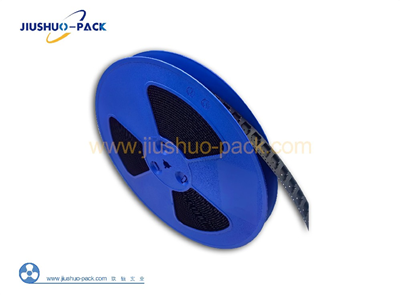
If you’re tired of your reel and tape machine being a standalone bottleneck, or if you’re planning a line upgrade and want to make sure all your gear plays nice, let’s chat. No sales pitches, no fine print—just figuring out what works for your line. We’ve helped everything from small startups to big aerospace plants integrate their reel and tape machines, and we can help yours too.
Plastic Reel References
- International Society of Automation. (2022). Industrial Integration Protocols for Manufacturing Equipment. ISA Publications.
- Electronics Manufacturing Services Association. (2023). Efficiency Gains from Reel and Tape Integration in Assembly Lines. EMS Industry Report.
- Modern Materials Handling. (2021). Retrofitting Old Production Lines for Robotic and Machine Integration. Penton Media.
Dongguan Jiushuo Industrial Co., Ltd.
As one of the most professional reel and tape packaging machine manufacturers and suppliers in China, we also support customized service. Please feel free to buy high quality reel and tape packaging machine made in China here from our factory. Contact us for more details.
Address: 11th Floor, Building 2, Chuangfu Center, Chashan Town, Dongguan City, Guangdong Province, China
E-mail: sales06@zaidaiw.com
WebSite: https://www.carriertape-pack.com/
