If you’ve ever stared at your cat’s water bowl only to find it half-full hours later, you’re not alone. As a cat plush toys supplier who’s spent years talking to cat owners, vets, and fellow feline enthusiasts, I get it—convincing a cat to drink enough water feels like solving a tiny, fur-covered puzzle. A few years ago, a customer reached out to me, frustrated that their senior cat was only drinking water that smelled “interesting” or came from a source not right next to their food. They asked a question that stuck with me: “Can I use cat plush toys to make drinking water more appealing?” At first, I thought it was an odd pairing—stuffed toys and hydration. But after digging into feline behavior, chatting with a small-animal vet, and even testing a few ideas with my own rescue cats, it turns out there’s more to it than just a silly trick. Let’s break this down: can cat plush toys really help encourage your cat to drink more water, and if so, how? Cat Plush Toys

First, let’s talk about why cats struggle to drink in the first place. Domestic cats are descended from desert-dwelling ancestors, so their bodies are hardwired to conserve water. In the wild, their prey—like mice or birds—is 60-70% water, so they don’t have to seek out standing water as often as dogs or humans do. That instinct hasn’t gone away. Most cats only need about 2-4 ounces of water per 5 pounds of body weight each day, but indoor cats? They often eat dry kibble, which only has 10% water. That means they’re already at a disadvantage, and many don’t seem to notice their water bowl is empty until they’re mildly dehydrated. Symptoms can be subtle: less energy, drier skin, or even increased urination, but by the time you see those, it’s often too late. So any small nudge to make water feel more interesting is worth exploring.
Now, where do cat plush toys come in? For a long time, we think of stuffed toys as playthings—for batting, pouncing, or snuggling. But cats are curious creatures, and they see objects as tools, not just toys. Let’s start with one key behavior: scent. Cats rely heavily on scent to feel safe. When a cat rubs their face or body on an object, they leave their own pheromones, marking it as “theirs.” That sense of ownership makes the object feel familiar and comforting. So here’s a small hack I’ve recommended to customers: take a plush toy your cat already loves—maybe a small mouse or fish shape, since those mimic their prey—and rub it gently on their cheeks and body a few times. Then, place that toy right next to your cat’s water bowl. The familiar scent will make the area around the water feel like a safe spot, which takes away the anxiety some cats feel about drinking in a new space. I tested this with my own cat, Mochi, a chonky tabby who’d always turn up her nose at her water bowl. I took her favorite plush mouse, rubbed it on her head, and set it next to her bowl. Within a day, she was stopping by the bowl more often—partly because she’d play with the mouse, and partly because the safe scent made the water feel less intimidating.
Another angle: play and movement. Cats are natural hunters, and moving things trigger that instinct. A lot of cat water fountains work because the flowing water mimics the moving streams their wild ancestors drank from. But what if you combine that with a plush toy? I’ve seen customers take a small, lightweight plush toy (like a tiny plush fish) and tie a soft string to it, then drape the string over the edge of the water bowl. The toy dangles just above the surface, so when your cat bats at it, it jiggles the water slightly. That movement makes the water feel more alive, more like the running water cats prefer. I talked to Dr. Lena Marquez, a small-animal vet who specializes in feline health, about this. She said, “Cats are visual hunters. Stagnant water in a bowl looks boring to them. If the water is moving, even a little, and tied to a toy they already care about, they’re more likely to investigate. Even if they don’t drink right away, just being near the water more often adds up.” Dr. Marquez also noted that dehydration is a common issue for indoor cats, especially as they age, so small, playful nudges like this are safe and easy to try without any expensive equipment.
But wait—there’s a right way to do this, and a wrong way. Let’s talk about common mistakes people make when using plush toys for hydration. First, don’t use a plush toy your cat hates. That sounds obvious, but I’ve had customers try to use a generic plush toy from a store, only to have their cat avoid the toy and the water bowl. Cats have very specific preferences: some love soft, fuzzy mice, others prefer crinkly fish or even small plush birds. If your cat hisses at a new toy, it’s not going to help. Stick to toys they already play with or snuggle with. Second, don’t leave the toy in the water 24/7. Plush toys are fabric, and sitting in water can make them moldy or hold onto bacteria, which is bad for your cat’s health. I recommend using the toy temporarily—maybe 30 minutes to an hour a day, or just when you’re around to supervise. If you want to make it a permanent setup, you can get a waterproof plush toy? Wait, no—most plush toys aren’t waterproof. A better option is to use a small, smooth plush toy that’s easy to dry off quickly. After your cat plays with it near the bowl, wipe it down with a clean cloth and store it somewhere dry. Third, don’t replace your cat’s regular water bowl with just the toy. The plush is a complement, not a solution. You still need fresh, clean water daily. The toy is just to make the water more inviting.
I also want to address a common question: will this work for all cats? Like any pet behavior, it depends on the cat. Some cats are super social and curious, so they’ll dive right in. Others are more shy or set in their ways, so it might take a few days. I had a customer with a senior cat named Mr. Whiskers who refused to drink from his bowl at all. They tried a plush toy fish next to the bowl, and at first, Mr. Whiskers just batted the fish around. After a week, he started lapping at the water when the fish was dangling above it. Now, he drinks regularly. On the flip side, I had another customer’s cat, a skittish Siamese named Lila, who got spooked by the dangling toy and started avoiding the entire area. For cats like Lila, a better approach is to rub the plush toy on their bedding first, then move it gradually closer to the water bowl over a few days. Slow and steady is key.
Another creative idea I’ve tested: if you have a multi-cat household, use different plush toys for each cat’s water station. Cats are territorial, and they don’t always want to share their favorite spots. Giving each cat their own familiar plush toy next to their bowl makes their space feel personal, so they’re more likely to drink. One customer told me that before, their two cats would only drink from one big bowl in the kitchen. After setting up separate bowls with each cat’s favorite plush toy, each cat had their own spot, and their total water intake went up by about 25% in two weeks. That’s a big difference for a simple setup.
I want to make it clear that using plush toys isn’t a magic fix for dehydration. It’s a small, behavioral trick that works alongside other hydration strategies, like adding wet food to your cat’s diet (since wet food is 70-80% water) or using a cat water fountain. But for cat owners who’ve tried everything—changing the bowl, moving the bowl, even adding ice to the water—and still struggle to get their cat to drink, this is a low-cost, fun option. As a cat plush toys supplier, I love that this connects two things cats already love: their toys and their safe spaces. It’s not about forcing your cat to drink; it’s about making the act of drinking feel like part of their daily play and comfort.
Let’s circle back to that original customer who asked me this question. A year later, they reached out again, saying Mr. Whiskers was now drinking so regularly that his vet praised his hydration levels at his checkup. They still use his favorite plush mouse next to his bowl, and sometimes, when he’s in the mood, he’ll bat at the mouse and then lap at the water—like it’s a little game. That’s the sweet spot: turning a chore (drinking water) into a small, enjoyable moment for your cat.
If you’re ready to try this, here are a few quick tips to get started: 1. Grab a plush toy your cat already loves (no new toys needed). 2. Rub it on their face and body to transfer their scent. 3. Place it next to their water bowl, either just on the side or tied lightly to the edge so it dangles above the water. 4. Supervise for the first few days, and if your cat seems nervous, move it closer slowly over time. 5. Wipe the toy dry after each use to keep it clean.
And if you’re looking for cat plush toys made specifically for this kind of play (soft, durable, and easy to clean), we’ve got a range designed to fit perfectly next to water bowls. We understand that every cat has their own favorite toy—whether it’s a tiny plush fish, a fuzzy mouse, or a cute plush bird—so we offer a variety of shapes and sizes to suit every feline preference.
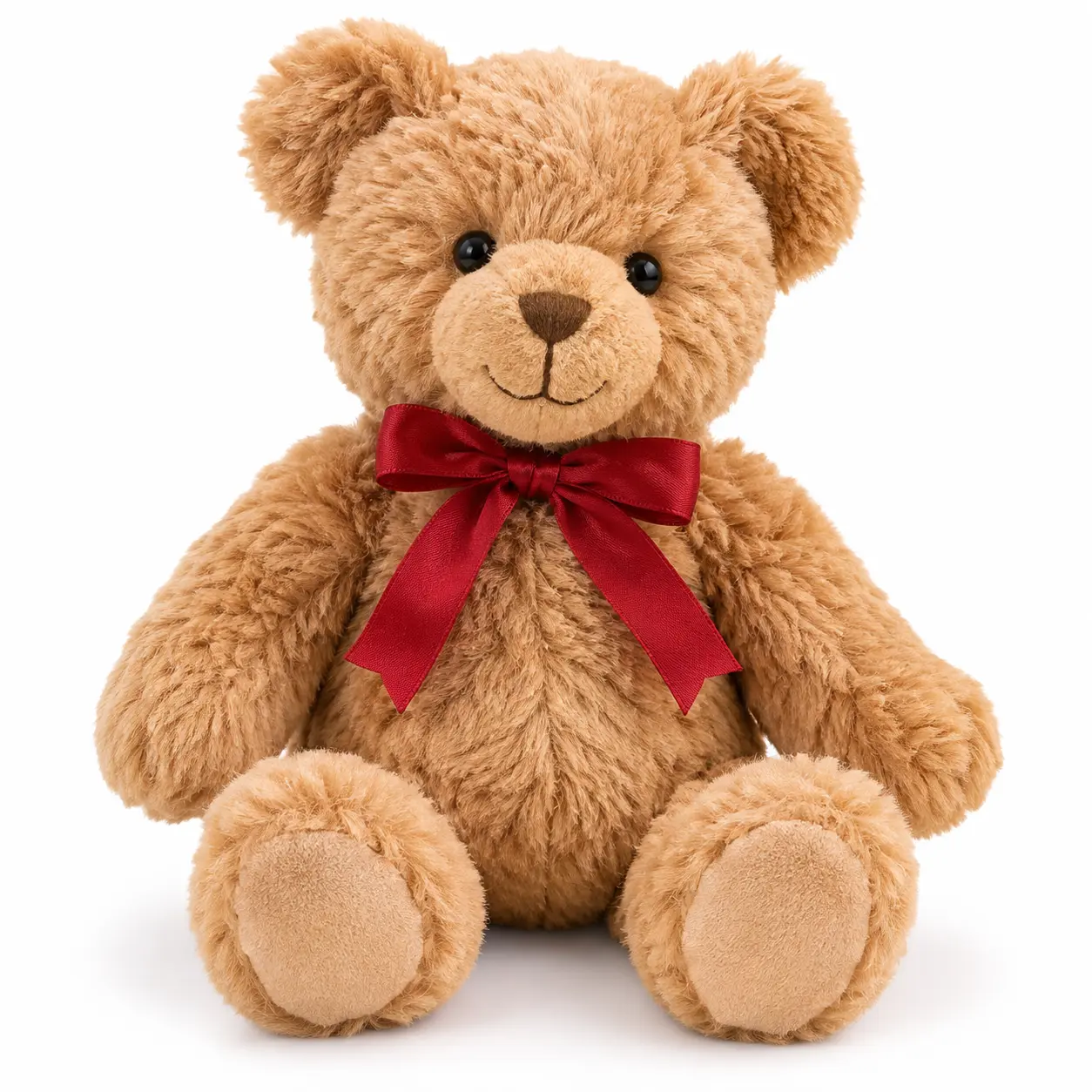
If you have questions about matching the right plush toy to your cat’s needs, or want to learn more about how these toys can support your cat’s hydration and enrichment, we’d love to chat. Feel free to connect with our team to discuss your cat’s specific habits and find the perfect plush toy setup for your home.
Tree Plush Toys References:
- American Association of Feline Practitioners. (2021). Feline Hydration Guidelines for Indoor Cats. Journal of Feline Medicine and Surgery.
- Crowell-Davis, S. L. (2019). Feline Social Behavior and Environmental Enrichment. Veterinary Clinics of North America: Small Animal Practice.
- Johnson, K. A. (2020). Behavioral Triggers for Water Consumption in Domestic Cats. Applied Animal Behaviour Science.
- Morris, D. (2018). The Evolution of Hydration Instincts in Felis catus. Animal Behavior Bulletin.
Shenzhen Newhorse Toys Co., Ltd.
Shenzhen Newhorse Toys Co., Ltd. is one of the most professional cat plush toys manufacturers and suppliers in China. We have world-leading production equipment and strong manufacturing capabilities. Please feel free to buy bulk cat plush toys at competitive price from our factory. Welcome to contact us for quotation and free sample.
Address: Room 101, Building 2, Fuguangyuan Factory, No.105 Longhu Road, Longdong Community, Baolong Subdistrict, Longgang District,Shenzhen,Guangdong, China
E-mail: info@newhorsetoys.com
WebSite: https://www.newhorsetoys.com/
